Experienced. Committed. Relentless.
“It is not hyperbole to say that Bradley R. Haywood has changed the entire legal landscape in Virginia. As the founder of Justice Forward Virginia, he revolutionized the criminal justice reform movement throughout the Commonwealth.”
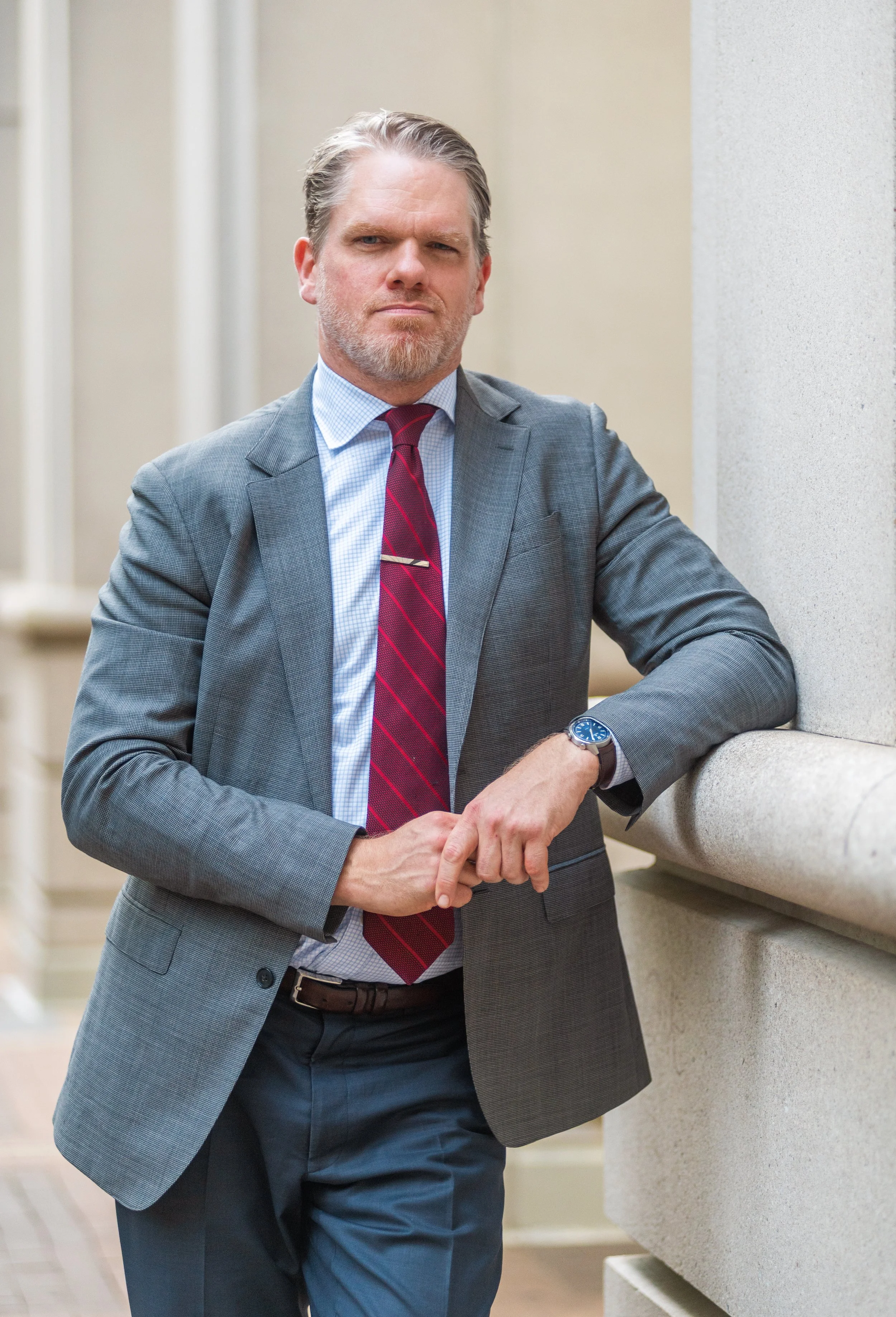
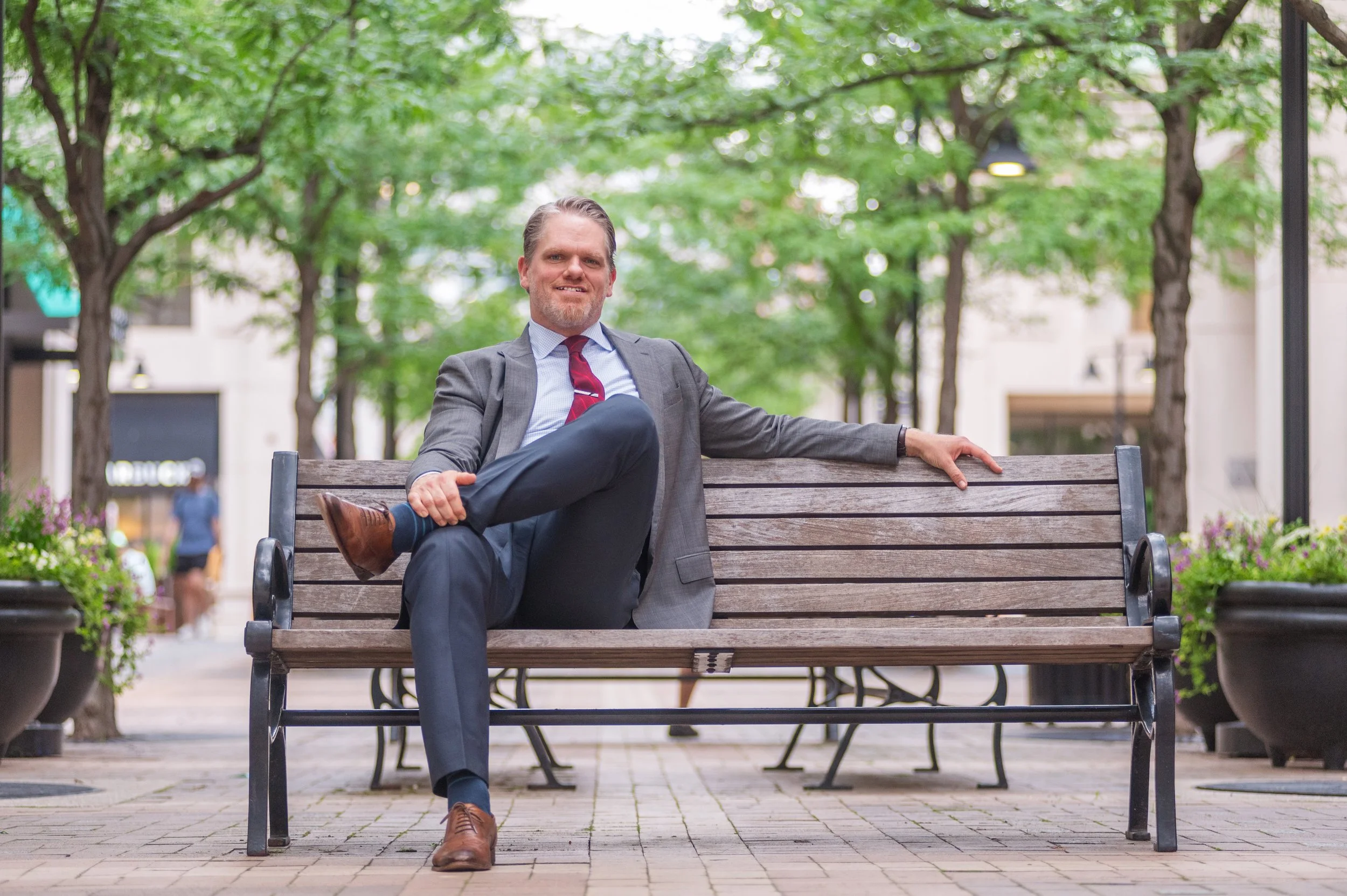
Brad Haywood has practiced criminal defense for over two decades, including 7 years as Chief Public Defender for Arlington County & the City of Falls Church, Virginia, 8 years as an Assistant Public Defender in Alexandria, and 6 years with Sheldon, Flood and Haywood, PLC. He is a graduate of the University of Michigan and Columbia Law School. In the course of his career, Brad has represented thousands of clients in over 300 trials, including more than 50 jury trials. Brad has served as an Adjunct Professor of Trial Advocacy at American University, Washington College of Law, and as a lecturer for groups including the Virginia Bar Association, U.S. Commission on Civil Rights, Virginia Association of Criminal Defense Lawyers, and the Virginia Indigent Defense Commission.
About the Firm
Haywood Law LLC focuses primarily on state and federal criminal defense, encompassing criminal trials, criminal appeals, and post-conviction litigation, such as petitions for clemency, claims of actual innocence and writs of habeas corpus alleging ineffective assistance of counsel.
We represent clients throughout the Commonwealth, but primarily Northern Virginia jurisdictions, including Arlington/Falls Church, Alexandria, Fairfax County, Fairfax City, Vienna, Prince William County, Manassas, Loudoun County, and Stafford. We also practice in the U.S. District Court for the Eastern District of Virginia.
Case Types
Public Intoxication & Disorderly Conduct
Drunk Driving
Hit & Run, Reckless Driving and Driving on Suspended
Expungements & Restoration of Rights
Writs of Habeas Corpus
Clemency/Pardon Petitions
Criminal Appeals
…and many others
Drug & Weapons Offenses
Homicide
Sex Crimes
Assault
Fraud & Theft
Protective Orders
Abduction, Strangulation, Stalking
Trespassing
White Collar Crimes
Brad has a reputation in the legal community as a zealous, tenacious litigator who goes to the wall for his clients, leaves no stone unturned, and has the trial skills to achieve truly unprecedented outcomes even in the most difficult cases. Among other successes, Brad has won acquittals for 3 of his last 4 murder clients, and litigated constitutional challenges to earn dismissals or sentences well-below guidelines for almost all of his clients charged with narcotics offenses in recent years.
What’s even more important than litigation, however, are his relationships with his clients. Brad believes in client-centered defense: putting the client at the center of everything he does, earning their trust, and aiming not just for good legal outcomes, but good life outcomes.
Advocacy & Accolades
In 2017, Brad Haywood founded Justice Forward Virginia, the leading criminal justice reform advocacy organization in the Commonwealth. A few months later, he was named Chief Public Defender for Arlington & Falls Church. In both roles, Brad has relentlessly pursued transformative change to Virginia’s criminal law and procedure, and to his local courthouse, which was badly out of step with the values of the community.

As Va. Lawyers’ Weekly wrote in naming Brad one of its 2022 Leaders in the Law, “it is not hyperbole to say that [Brad] has changed the entire legal landscape in Virginia. As the founder of Justice Forward, he revolutionized the criminal justice reform movement throughout the Commonwealth.”
Justice Forward drafted and served as the advocacy lead on more than 15 bills that became law, changing over 30 statutes. This includes many of the most consequential reforms in Virginia history: ending mandatory jury sentencing, probation reform, first-of-their-kind limits on race-based pretextual policing, repealing presumptions against bail, ending robbery as a one-size-fits-all life-offense, and allowing evidence of mental illness in non-insanity cases.

Justice Forward Virginia also aided in the legislative drafting and advocacy in support of many other historic reforms, such as abolition of the death penalty, increasing earned sentence credits to incarcerated persons, discovery reform, civilian oversight of law enforcement, and legalization of marijuana.
It is not uncommon for Brad to litigate statutes that contain words he wrote himself, such as probation reform (Va. Code 19.2-306,1), which limits the amount of time a defendant can be jailed for violating the technical rules of probation, and the mental health evidence statute (Va. Code 19.2-271.6), which allows defendants with behavioral health disorders to explain to a jury how their mental health impacted their culpability. In fact, Brad is currently arguing two cases in the Virginia Supreme Court, one which will be the first interpretation of the main components of probation reform, and the other which will be the Supreme Court’s first interpretation of the mental health evidence statute.
On a local level, Brad has established himself as a leader in community engagement, institutional advocacy, and police and judicial accountability. He helped oust a regressive, carceral elected prosecutor, fought to ensure a pre-plea behavioral health docket, advocated for meaningful civilian oversight of local law enforcement, held judges accountable for misconduct, and helped end an egregious local practice that required the defense to hand-copy discovery materials (instead of using any form of technology).

Brad also made huge strides toward public defender pay equity, became the first Chief Public Defender to secure a locally-funded attorney position (which became the first-ever mental health defender in the Commonwealth), and built the most diverse public defender attorney staff in Northern Virginia.
For his efforts locally, Brad was one 6 local advocates featured in Arlington Magazine’s “ Race and Rebuilding” issue in 2020, and he was the 2021 recipient of the Arlington NAACP’s Charles P. Monroe Civil Rights Award.